
Slowness as a practice: the new luxury of attention
HEALTHY AGING
Healthy aging doesn't start only in old age
When people talk about a long life, the conversation often revolves around a single number: How old can we get? Longevity, on the other hand, focuses on a different question: How can we spend those extra years as healthily, actively, and independently as possible? This is precisely where the concept of healthy aging comes in. It’s not about stopping aging. Aging is a natural process. Rather, it’s about supporting one’s own health across as many stages of life as possible. Genetics and individual circumstances play an important role here. At the same time, there are areas of our lives that we can influence ourselves. Exercise, nutrition, sleep, recovery, social relationships, and prevention are among the key building blocks of a health-conscious lifestyle. This doesn’t necessarily require complicated programs or constant self-improvement. Often, healthy aging begins with surprisingly basic things.

Healthy Aging Instead of Anti-Aging
The term “anti-aging” suggests that aging is something that should be fought or prevented. Healthy aging takes a different approach. The focus is not on age itself, but on how we can best support our physical and mental health during this natural process. In this context, a distinction is often made between “lifespan” and “healthspan.” Lifespan refers to the total duration of life. Healthspan, on the other hand, refers to the time we spend as healthy as possible and without major health limitations. It is precisely this perspective that makes longevity so interesting. It’s not just about adding years to life. It’s also about adding as much life as possible to those years.
Small Habits Instead of Perfect Self-Improvement
Today, longevity is often associated with wearables, biological age, dietary supplements, specialized therapies, and comprehensive health assessments. Some of these developments may be interesting, but they should not distract us from the fundamentals. Those who exercise regularly, pay attention to their diet, get enough sleep, don’t smoke, take rest seriously, nurture social relationships, and take advantage of sensible preventive care are already addressing many key aspects of a health-oriented lifestyle. Healthy aging, therefore, doesn’t have to be complicated. The greater challenge often lies in maintaining good habits over years rather than just weeks.

What role can longevity resorts play in this?
In everyday life, one thing is often missing: time.
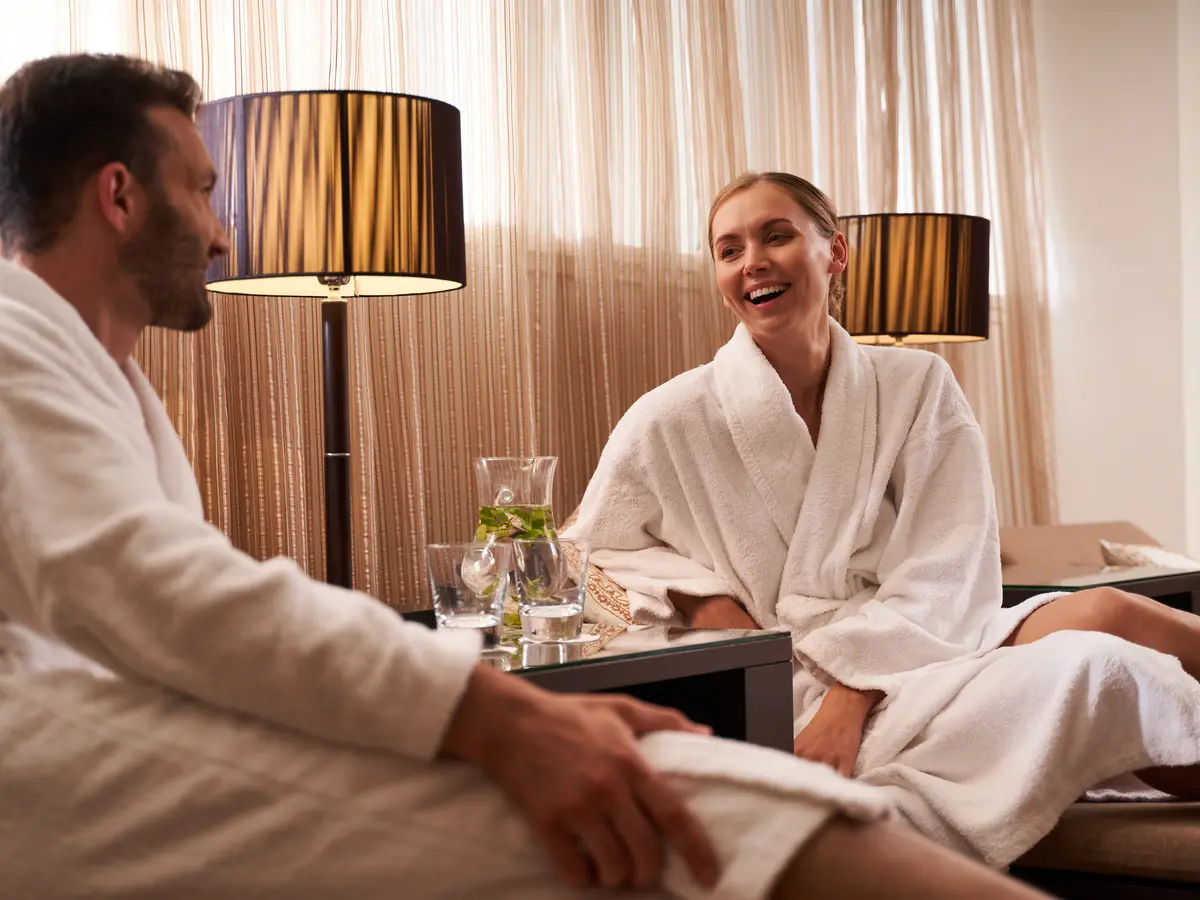
Between work, family, and other obligations, there’s little room to focus deeply on one’s own health. A longevity resort or healthy aging retreat can consciously create that space. Depending on the program, health assessments, personalized counseling, exercise, nutrition, and relaxation can be combined. The key benefit isn’t about completely transforming your life in just a few days. Rather, a meaningful stay can help you better understand your current situation, discover new routines, and figure out which changes can actually be integrated into your daily life. After all, long-term health isn’t achieved during a single week at a resort.
It comes from what we take home with us afterward.
Thoughts on Longevity
It's not just about adding more years to life.
It's about adding more healthy years to life.
Healthy aging doesn't just begin at some point in old age. It stems from the choices and habits that shape our health over many years.
Exercise – Stay Active on a Regular Basis
Our bodies are designed for movement.
Regular physical activity is therefore one of the most important foundations of a healthy lifestyle. This isn’t exclusively about sports. Walking, hiking, biking, climbing stairs, and everyday movement can be just as much a part of it as structured workouts. For healthy aging, the combination of different forms of exercise is particularly beneficial: endurance, strength, flexibility, and balance serve different functions and complement one another. What matters most is not so much the perfect workout routine as a form of exercise that can become a long-term part of your life.
Muscle Strength—Strength for the Years Ahead
Muscles are increasingly being recognized as an important factor in longevity. This is because muscle strength isn’t just relevant for athletic performance; it also supports mobility, stability, and physical independence. As we age, it therefore becomes especially important to consciously maintain strength and muscle mass. Regular strength training can be part of this. However, the intensity of the training depends on age, fitness level, experience, and individual health. The goal isn’t necessarily maximum performance. It’s about building and maintaining a body that will carry us through our daily lives for as long as possible.
Nutrition – Think Long-Term, Not Short-Term
Hardly any other health topic is shaped by as many trends as nutrition. New diets and nutritional approaches regularly promise better health, more energy, or a longer life. However, the basics are often what matter most for a healthy lifestyle in the long term. A varied diet that includes vegetables, fruits, legumes, whole foods, high-quality protein sources, nuts, and healthy fats can provide a solid foundation. Highly processed foods, on the other hand, should not make up the majority of one’s diet. It’s also important that your diet suits your individual needs. A diet that you can only stick to for a few weeks is of little help for healthy aging in the long term.
Sleep—Time for Recovery
Sleep is often underestimated in everyday life. Yet our bodies need regular periods of rest. Our concentration, performance, and well-being can also be influenced by how well we sleep. A sleep routine that’s as regular as possible, a comfortable sleep environment, and enough time for sleep are therefore part of a holistic longevity lifestyle. Factors such as late-night eating, alcohol, screen time, and exposure to light can also play a role. However, anyone suffering from significant, long-term sleep problems should not simply view these as lifestyle issues but should seek medical evaluation if necessary.
Recovery and a Mindful Approach to Stress
Do more, exercise more, optimize more—longevity can quickly become just another item on your personal to-do list. But the opposite is just as important: rest. Stress cannot be completely avoided in life. What matters most is whether you have enough time for recovery. What that looks like varies from person to person. For some people, recovery means meditation or yoga. Others recharge by hiking, reading, spending time in nature, or simply taking time to do nothing in particular. Healthy aging, therefore, doesn’t mean optimizing every aspect of life. It also means recognizing when your body and mind need rest.
Social Relationships and Quality of Life
Health cannot be measured solely by lab results, fitness data, or daily step counts. People are social beings. Family, friendships, community, and regular social interaction can play a significant role in personal well-being. This aspect is sometimes overlooked in the discussion of longevity because modern technologies and medical advances tend to receive a great deal of attention. After all, living a long life is not the only goal. The quality of those years is also crucial.
Prevention—Understanding Your Own Health
Another important component of healthy aging is prevention. Preventive care and medically appropriate screenings can help identify certain health risks early on. Which screenings are appropriate depends, among other things, on age, gender, personal medical history, and individual risk factors. Modern longevity resorts also embrace this concept. Depending on their medical focus, they can combine diagnostic testing with exercise, nutrition, sleep, recovery, and personalized counseling. However, it’s important to note that more data does not automatically mean better health. What matters most is that the tests are medically appropriate and professionally interpreted.